

Introduction: The Hidden Gem of South Mumbai
Nestled within the bustling neighborhood of Walkeshwar in Malabar Hill, Banganga Tank is one of Mumbai’s most sacred and historic landmarks. While modern skyscrapers and luxury residences dominate the city’s skyline, this ancient tank takes visitors on a journey back to mythology, spirituality, and timeless tradition. Believed to have been created by Lord Rama himself, Banganga Tank continues to draw pilgrims, historians, and travelers alike who seek to explore its serene waters and legendary origins.
Unlike other popular tourist attractions in Mumbai, Banganga Tank offers an atmosphere of quiet reflection. The surrounding temples, dharamshalas, and old-style houses add to its charm, making it a living example of Mumbai’s layered cultural history. In this blog, we’ll dive into the history, legends, and significance of Banganga Tank, unraveling why it remains a must-visit destination for heritage lovers.
The Mythological Origins of Banganga Tank
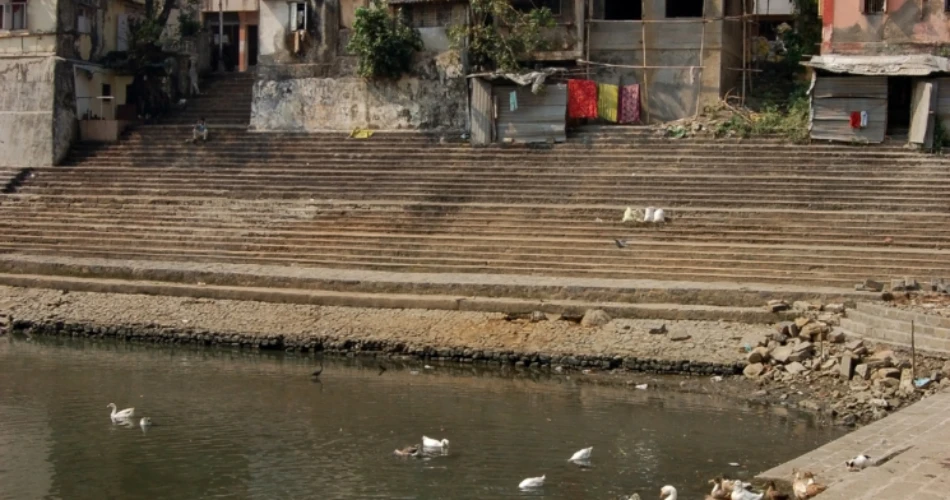
The story of Banganga Tank is deeply rooted in Hindu mythology. Legend has it that Lord Rama, during his exile with Sita and Lakshmana, stopped at this very spot on his way to Lanka. When Sita grew thirsty, Rama shot an arrow (or ban in Sanskrit) into the earth, and a spring of the sacred Ganges emerged, creating Banganga Tank.
This divine connection to the Ganga River is why the tank is considered so holy. Even though it lies just meters from the Arabian Sea, the water inside is sweet and fresh, believed to be a direct link to the Ganges itself. Pilgrims bathe here to purify themselves spiritually, much like they would in the actual river Ganga.
This mythical story makes Banganga not just a historical landmark but also a living testament to India’s age-old traditions and spiritual beliefs. Visitors often sense an aura of divine energy that lingers over the tank and its surroundings.
Walkeshwar Temple: The Sacred Guardian of Banganga
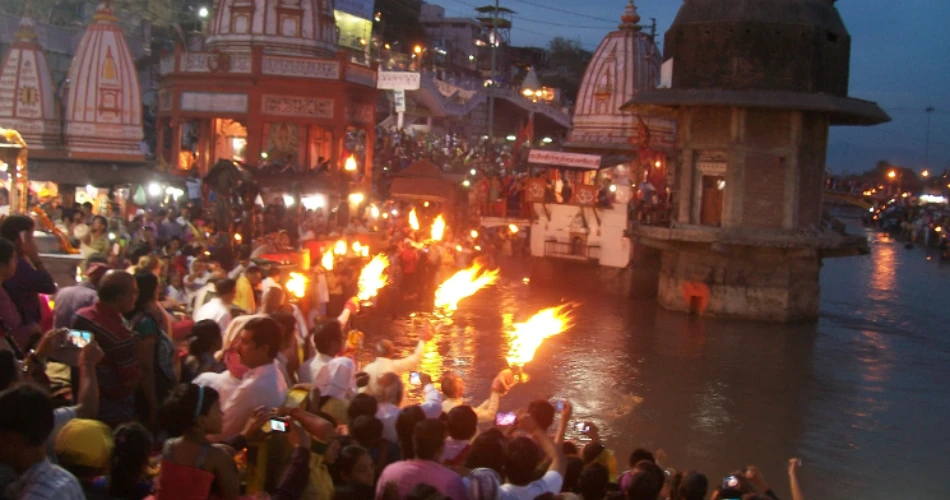
Overlooking the tank is the Walkeshwar Temple, dedicated to Lord Shiva. The temple itself dates back to the 12th century and was originally built by the Silhara dynasty. Although rebuilt several times over the centuries, it remains an important place of worship for devotees.
The name “Walkeshwar” derives from Valuka Ishwar, meaning "Lord of the Sand." According to legend, Rama built a Shiva lingam out of sand here to honor Lord Shiva before setting out for Lanka. This temple thus became a central site for worship and is closely linked to the sacredness of Banganga Tank.
Today, the temple stands as a striking example of Mumbai’s spiritual architecture amidst urban chaos. Devotees throng here, especially during festivals like Mahashivratri, when the entire area lights up with religious fervor.
Cultural and Historical Significance
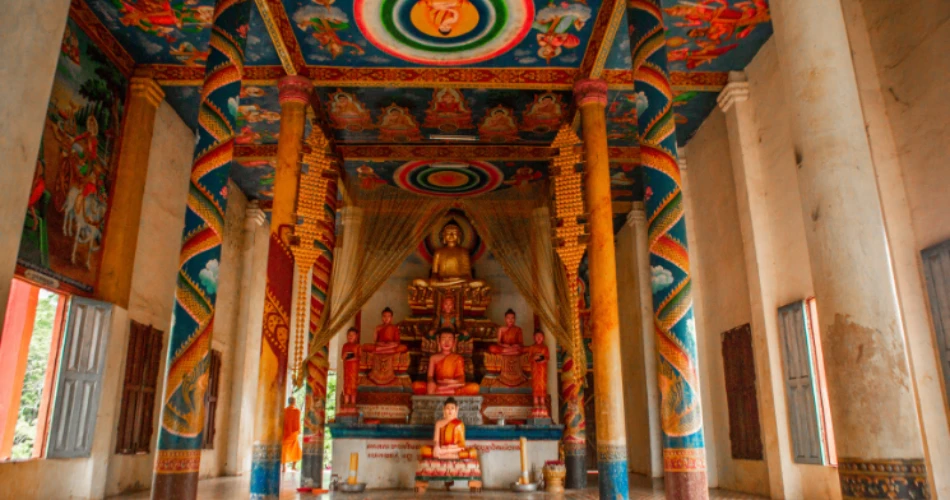
Banganga Tank is more than just a religious site; it is also a cultural hub with centuries of history. The tank and its surroundings have seen countless kings, dynasties, and colonial powers pass through Mumbai, yet it has survived as a timeless spiritual landmark.
During the colonial period, the tank became a resting place for travelers and a religious stop for devotees. The surrounding neighborhood developed into a settlement of priests, scholars, and caretakers, many of whose descendants still live there today.
The stone steps leading into the tank, the age-old temples around it, and the serene waters reflect Mumbai’s heritage identity. In 1965, the Banganga Festival of Music was introduced, turning the site into a cultural hotspot where classical musicians performed against the tank’s historic backdrop.
Banganga Tank Today: A Blend of Old and New
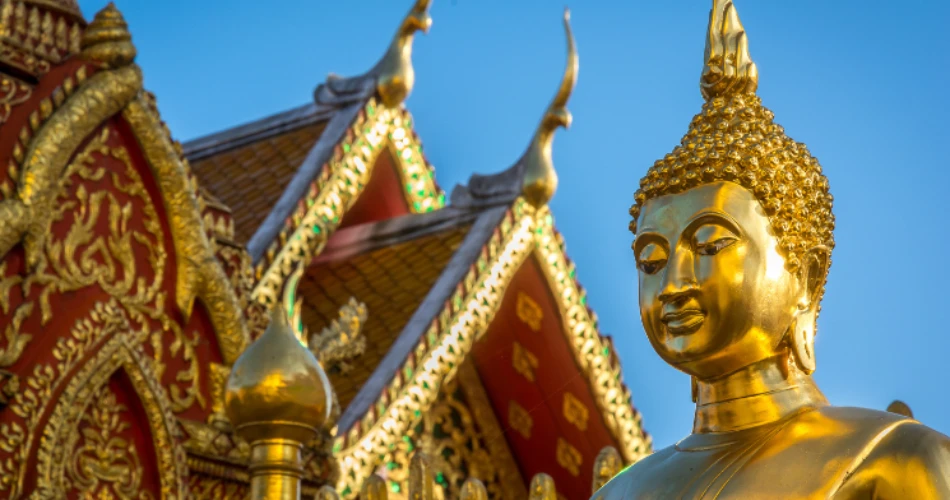
Even today, Banganga Tank continues to be a living heritage site. On one side, pilgrims perform rituals, offer prayers, and conduct sacred baths. On the other side, photographers, tourists, and history enthusiasts explore its beauty.
The narrow lanes surrounding the tank are lined with small shrines, dharamshalas, and modest homes, making visitors feel as though they have stepped back in time. Yet just beyond the area rise the luxurious residences of Malabar Hill, highlighting the sharp contrast of Mumbai’s old and new worlds.
Local residents often feed the fish and ducks in the tank, which adds life to the sacred waters. Despite occasional challenges of maintenance, Banganga remains a calm oasis amidst Mumbai’s hustle.
Festivals and Events at Banganga
One of the highlights of Banganga’s cultural life is the Banganga Music Festival, first organized in 1992 by the Maharashtra Tourism Development Corporation. This festival brings together India’s finest classical musicians, who perform by the tank’s steps under the open sky. The echoes of sitar, tabla, and vocals blend with the spiritual atmosphere, making it an unforgettable experience.
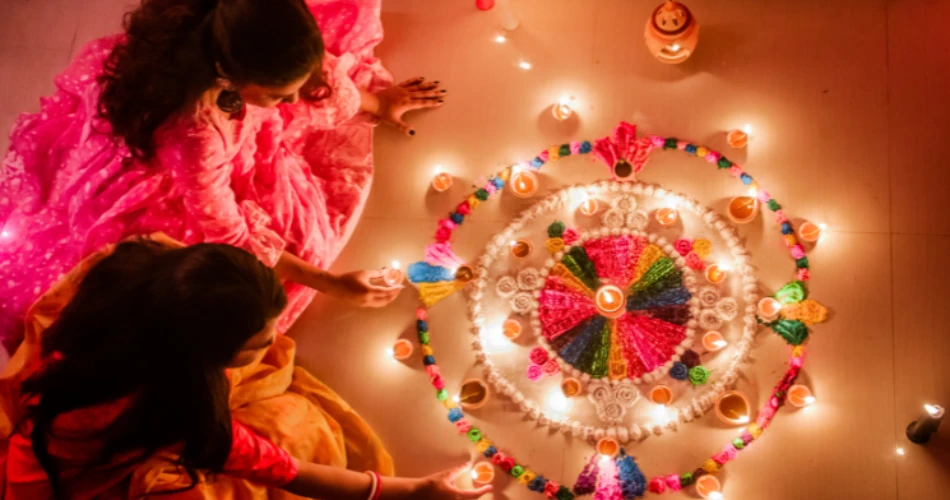
Apart from this, various Hindu festivals like Mahashivratri, Navratri, and Diwali are celebrated with great zeal at Walkeshwar Temple and Banganga Tank. These events attract not only local devotees but also tourists who want to witness the fusion of devotion and culture.
The festivals emphasize the cultural vibrancy of Mumbai, showing that the city’s spiritual and artistic roots continue to thrive even in modern times.
Visiting Banganga Tank: What You Need to Know
If you’re planning to explore Mumbai beyond its beaches and nightlife, a visit to Banganga Tank is a must. The site is located in Malabar Hill, one of Mumbai’s most affluent neighborhoods. It is easily accessible by road and lies about 20 minutes from Churchgate or Charni Road stations.
Visitors should be respectful of the religious environment, as the tank is not just a tourist attraction but an active place of worship. Modest attire is recommended. The best time to visit is early morning or evening, when the atmosphere is most serene.
For heritage enthusiasts, combining a Banganga visit with nearby attractions like Hanging Gardens or Kamala Nehru Park makes for a rewarding day in South Mumbai.

Conclusion: Why Banganga Tank is Mumbai’s Timeless Treasure
Banganga Tank is more than just an ancient water tank; it is a living symbol of Mumbai’s mythology, culture, and spirituality. From the legend of Lord Rama to its centuries-old Walkeshwar Temple and the annual music festivals, every corner of this sacred site tells a story.
In a city that thrives on speed and modernity, Banganga Tank offers a much-needed pause, reminding visitors of Mumbai’s eternal connection to faith and heritage. Whether you’re a pilgrim seeking blessings, a history buff tracing the city’s past, or a traveler looking for hidden gems, Banganga Tank in Walkeshwar is a must-experience destination.