

Introduction: Where Past Meets Present
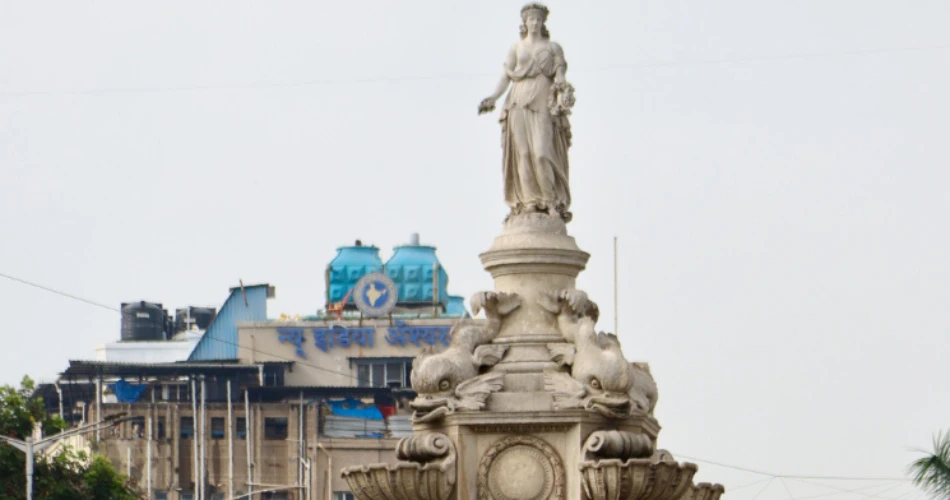
At the bustling intersection of South Mumbai’s business district, Flora Fountain stands as a symbol of the city’s colonial heritage and timeless elegance. This Victorian-era monument, built in 1864, not only celebrates neoclassical beauty but also represents Mumbai’s transformation from a colonial trading hub to a vibrant global metropolis. Surrounded by modern skyscrapers, offices, and cafés, Flora Fountain offers a striking reminder of how the old and new seamlessly coexist in India’s financial capital.
Today, Flora Fountain is more than just a monument—it’s a meeting point for locals, a photography hotspot for travelers, and a silent witness to Mumbai’s dynamic history. Whether you’re a history enthusiast, an architecture lover, or simply exploring the heart of the city, Flora Fountain remains a must-visit.
The Historical Legacy of Flora Fountain
Flora Fountain was commissioned by the Agri-Horticultural Society of Western India and designed by Richard Norman Shaw, a well-known British architect. Constructed in honor of Sir Bartle Frere, then Governor of Bombay, the fountain was later named after Flora, the Roman goddess of flowers and spring.
The fountain was carved from Portland stone imported from England, with intricate detailing that reflected the grandeur of Victorian Gothic design. At the time of its construction in 1864, Flora Fountain cost around ₹47,000—a fortune back then—making it one of the most expensive monuments in the city.
Through the years, Flora Fountain has withstood political changes, urbanization, and even weathering, yet it continues to be a symbol of colonial elegance. Declared a heritage structure by the Archaeological Survey of India (ASI), it remains a protected landmark that connects present-day Mumbai with its past.
Architectural Brilliance: A Victorian Masterpiece
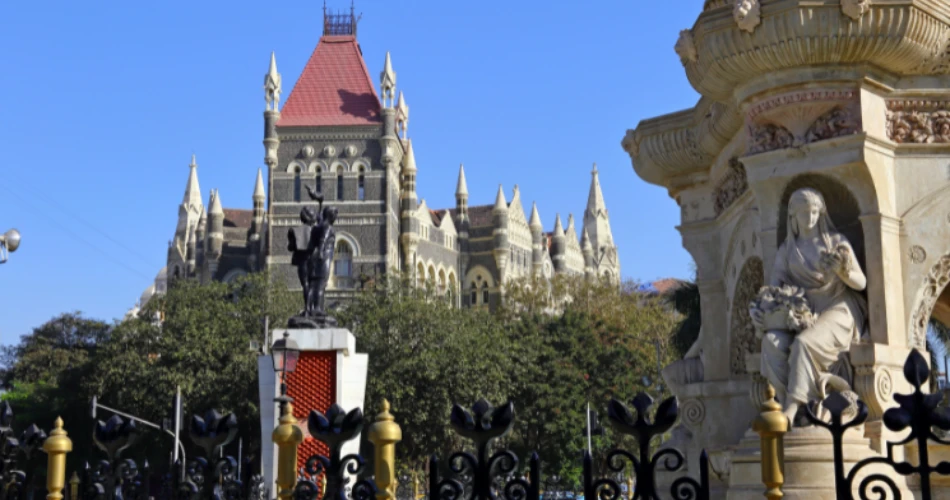
What makes Flora Fountain remarkable is its blend of Roman and Gothic architectural styles. Standing at nearly 32 feet, the fountain is adorned with floral motifs, mythological figures, fish, and winged angels, reflecting the intricate craftsmanship of Victorian artisans.
The statue of Flora at the top embodies grace and fertility, symbolizing abundance in a city that was then rapidly emerging as a commercial hub. The cascading water features, once functional, add to the aesthetic beauty, even though the fountain today is largely ornamental.
The stone carvings display incredible attention to detail—an element that has made Flora Fountain one of the most photographed structures in Mumbai. For architecture students and enthusiasts, this monument is a live classroom showcasing 19th-century colonial design merged with Indian sensibilities.

Flora Fountain in the Heart of South Mumbai
Flora Fountain’s location is one of its greatest assets. Nestled at the junction of Veer Nariman Road, Mahatma Gandhi Road, and Dadabhai Naoroji Road, it stands at the gateway to South Mumbai’s heritage district.
The surrounding area, often called Hutatma Chowk, is lined with historical buildings such as the Bombay High Court, Central Telegraph Office, and the University of Mumbai’s Fort campus. Just a short walk away, you’ll find other colonial-era landmarks like the Rajabai Clock Tower, Horniman Circle Gardens, and the Asiatic Society Library.
This makes Flora Fountain not just a monument but also a central point from which to explore Mumbai’s layered history. For travelers, a walk around the area offers a journey into the city’s colonial and modern identities in one sweep.

Cultural Significance and Urban Identity
Over the decades, Flora Fountain has evolved from being just a Victorian landmark to a cultural icon of Mumbai. The fountain stands at Hutatma Chowk (Martyrs’ Square), renamed in memory of the Samyukta Maharashtra Movement martyrs of the 1950s. This dual identity—Flora Fountain as a colonial masterpiece and Hutatma Chowk as a site of regional pride—reflects Mumbai’s layered cultural history.
The site often becomes a hub during protests, public gatherings, and city tours. Moreover, it is a favorite among artists, filmmakers, and photographers, who use it as a backdrop for capturing Mumbai’s unique character.
Flora Fountain thus symbolizes resilience, cultural inclusivity, and the evolving identity of Mumbai—a city that thrives on diversity and contradictions.
Flora Fountain at Night: A Magical Experience
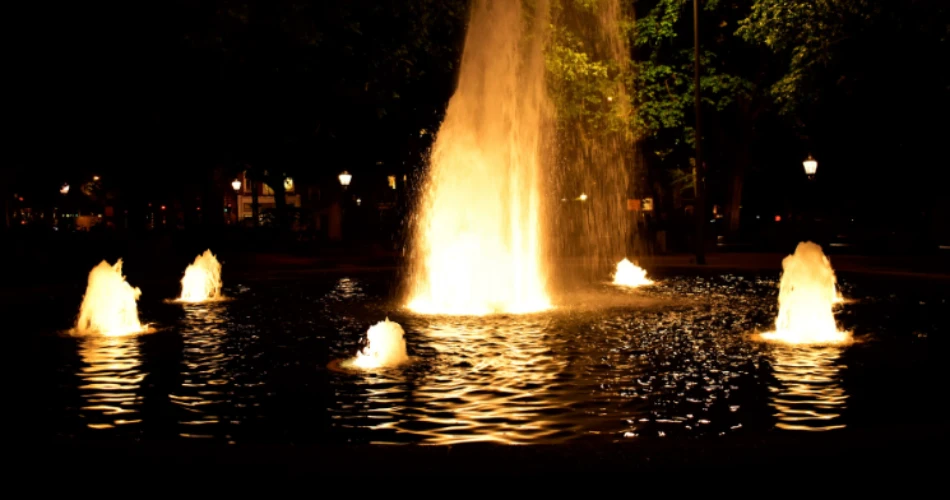
While Flora Fountain looks impressive during the day, its true beauty unfolds after sunset. The fountain is illuminated with warm lighting that highlights its carvings, creating a magical contrast with the bustling city traffic around it.
The area comes alive with people heading home from work, street vendors selling snacks, and tourists capturing night shots. The glowing monument stands as a peaceful oasis amidst the chaos of Mumbai’s nightlife.
For photographers, night is the best time to capture long-exposure shots of the fountain surrounded by streaks of vehicle lights, symbolizing timeless elegance meeting modern speed.
Tips for Visitors: Making the Most of Your Visit
If you’re planning to visit Flora Fountain, here are some useful tips:
-
Best time to visit: Early morning for a quiet experience or evening for illuminated beauty.
-
Nearby attractions: Gateway of India, Colaba Causeway, Marine Drive, and Crawford Market are easily accessible.
-
Getting there: Chhatrapati Shivaji Maharaj Terminus (CSMT) and Churchgate are the closest railway stations.
-
Photography tip: Try both day and night shots; close-ups reveal stunning carvings, while wide shots show the fountain amidst urban bustle.
-
Travel tip: Wear comfortable shoes if you’re exploring the nearby heritage walking routes.
Visiting Flora Fountain is not just about admiring its colonial beauty but also about immersing yourself in the pulse of South Mumbai, where history, culture, and commerce collide.

Conclusion: A Timeless Symbol of Mumbai
Flora Fountain is more than a relic of colonial times—it is a living, breathing symbol of Mumbai’s ability to embrace its past while thriving in the present. From its Victorian carvings to its role in shaping the city’s cultural and political identity, the fountain continues to inspire awe.
For visitors, it offers an opportunity to experience Mumbai’s architectural grandeur, historical depth, and vibrant urban life all at once. As the city grows and evolves, Flora Fountain remains a steadfast reminder that heritage and modernity can beautifully coexist.