
Haji Ali Dargah: A Spiritual Journey in the Arabian Sea
Introduction: A Shrine in the Heart of the Sea
Haji Ali Dargah is one of Mumbai’s most iconic landmarks, known for its spiritual charm, fascinating history, and breathtaking location in the Arabian Sea. Situated off Worli coast, this shrine is not just a place of worship but also a symbol of unity, faith, and cultural inclusivity. Every year, millions of devotees and tourists, regardless of religion or background, visit this holy site to seek blessings and experience its serenity.
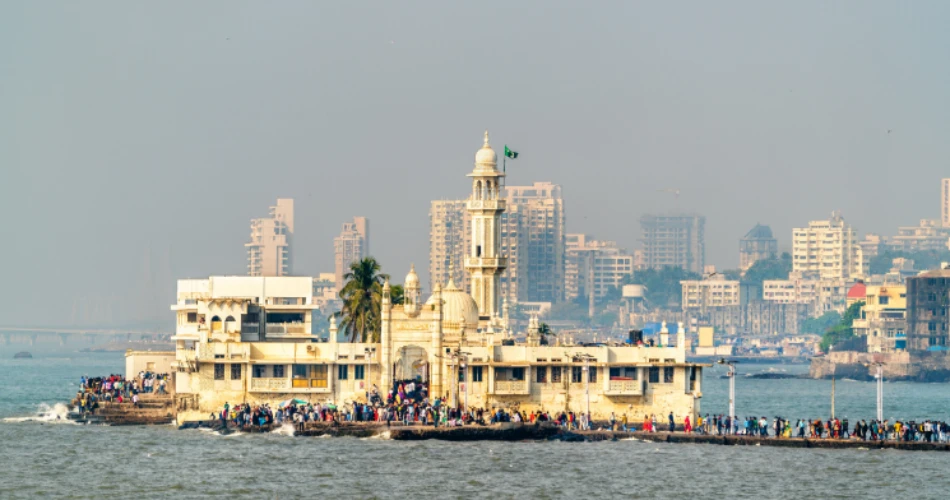
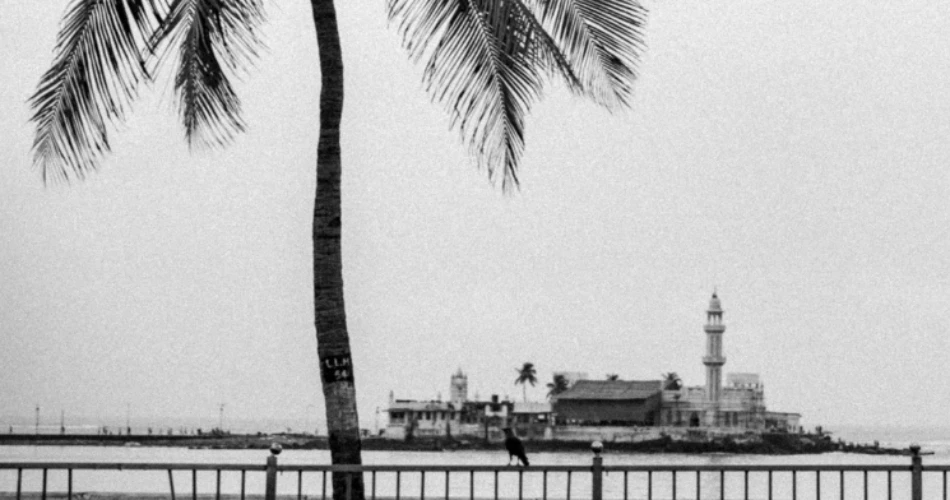
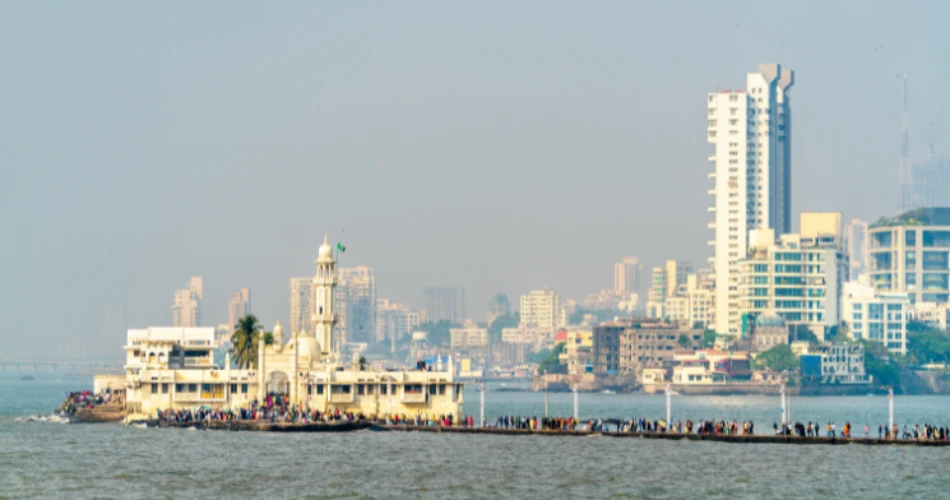
The Dargah is built on a small islet, connected to the mainland by a narrow causeway that becomes submerged during high tide. This unique setting makes the journey to Haji Ali both mystical and memorable. From its Indo-Islamic architecture to its deep-rooted historical significance, the shrine holds a timeless appeal for spiritual seekers and curious travelers alike.
The Legend and History of Haji Ali
The story of Haji Ali is deeply rooted in faith and sacrifice. According to legend, Haji Ali was a wealthy merchant from Bukhara (present-day Uzbekistan) who renounced his worldly possessions to embrace Sufism. He dedicated his life to spreading the teachings of Islam and helping the needy.
When he decided to embark on a pilgrimage to Mecca, he traveled through Mumbai and chose the city as his final resting place. It is said that his body miraculously floated to the spot where the Dargah stands today, in the Arabian Sea. Built in the 15th century, the shrine continues to preserve his spiritual legacy.
This tale of devotion and humility resonates with countless visitors, making the Dargah not only a place of worship but also a living reminder of compassion and faith.
Architectural Beauty of Haji Ali Dargah
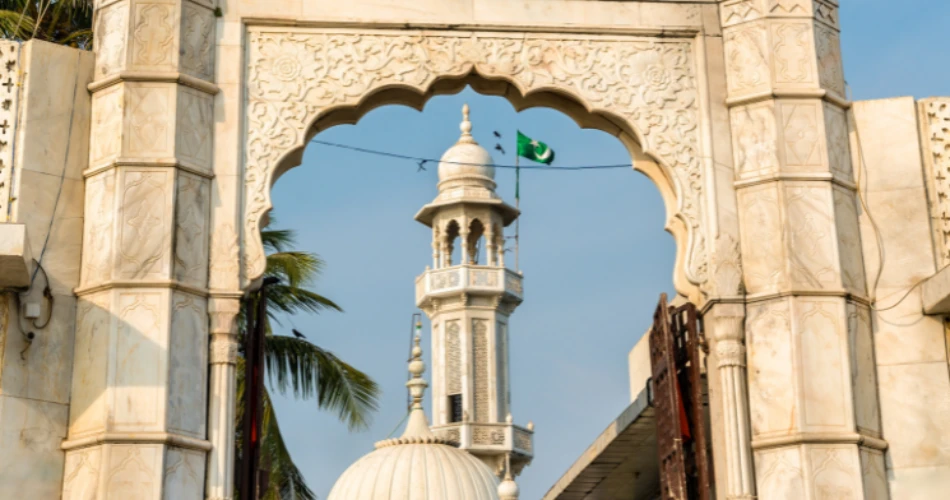
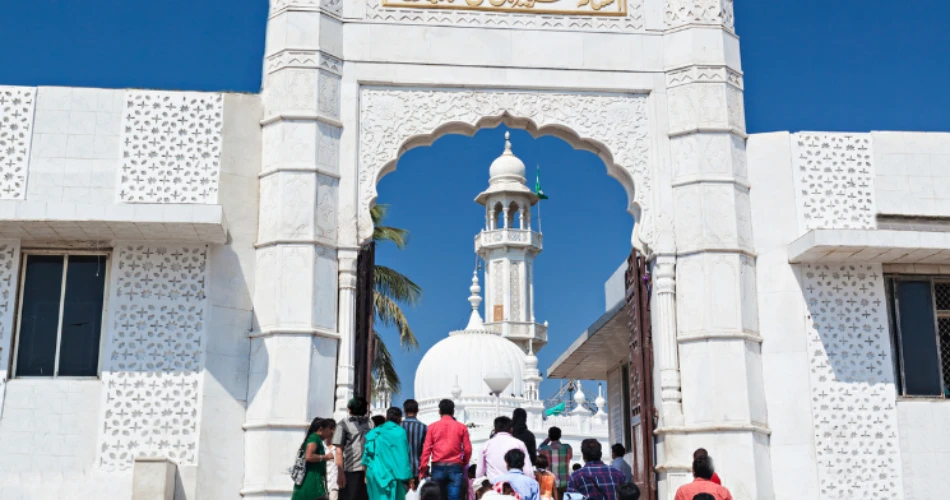
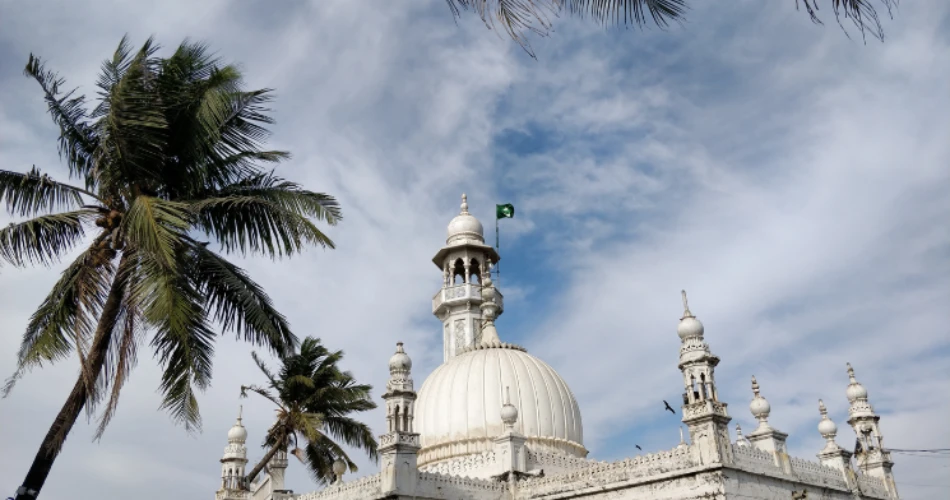
The Haji Ali Dargah is a fine example of Indo-Islamic architecture, blending Mughal and Indian design elements. The whitewashed structure, crowned with a magnificent dome, glimmers under the Mumbai sun, creating a picturesque view against the Arabian Sea.
The shrine is made of white marble, adorned with intricate carvings, mirror work, and Quranic inscriptions. The central hall houses the tomb of Haji Ali, which is draped in a rich green and red brocade chaddar. Visitors are greeted with an atmosphere of peace as the soft fragrance of incense fills the air.
The causeway leading to the Dargah stretches nearly 500 meters into the sea. During low tide, the walkway remains open, allowing pilgrims to walk barefoot across the ocean waters. The journey itself feels like a spiritual cleansing, with the vast sea symbolizing the divine.
The Spiritual Experience at Haji Ali
Visiting Haji Ali is not just about admiring its beauty—it’s about experiencing the spiritual calm it offers. Devotees from all walks of life gather here to pray, meditate, or simply absorb the peaceful environment. The Dargah represents inclusivity, welcoming Hindus, Muslims, Christians, and people of all faiths.
Inside, the atmosphere is filled with chants, qawwalis, and the heartfelt prayers of devotees. Fridays are particularly special, as the Dargah hosts soulful qawwali sessions that fill the air with divine energy. Many believe that their wishes are fulfilled after offering prayers here, further enhancing the shrine’s spiritual aura.
Haji Ali as a Cultural Landmark in Mumbai
Beyond being a religious destination, Haji Ali Dargah is also a cultural and social landmark in Mumbai. The shrine embodies the city’s cosmopolitan spirit, where faith and culture merge seamlessly. Tourists from across the globe flock here to witness its beauty and understand its historical significance.
It has also inspired poets, filmmakers, and artists, appearing in countless movies, songs, and documentaries. Its location in the Arabian Sea makes it one of the most photographed sites in Mumbai, offering postcard-perfect views, especially during sunrise and sunset.
Additionally, local shops and food stalls near the Dargah add to its charm, giving visitors a taste of Mumbai’s vibrant street culture.
Best Time to Visit and Travel Tips
The best time to visit Haji Ali Dargah is during the cooler months, from October to March, when the weather is pleasant. The shrine is open throughout the year, but Fridays and festivals like Eid attract the largest crowds. Sunset is the most magical time, offering stunning views of the shrine against the golden horizon.
Visitors are advised to dress modestly as a mark of respect. Footwear must be removed before entering the shrine. Since the causeway is submerged during high tide, it’s essential to check tide timings before planning your visit. Early mornings and evenings are ideal to avoid large crowds and enjoy a peaceful experience.
Nearby Attractions Around Haji Ali
A visit to Haji Ali Dargah can be combined with exploring nearby attractions in Mumbai. The famous Mahalaxmi Temple is located close by, making it convenient for spiritual tourists to visit both shrines in a single trip.
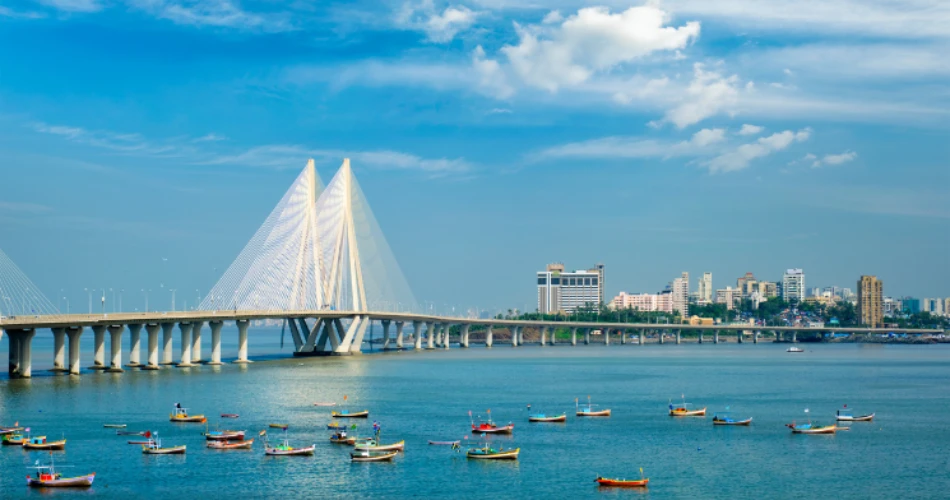
The scenic Worli Sea Face is another nearby spot where visitors can enjoy sea breezes and the iconic Bandra-Worli Sea Link views. For art and architecture lovers, the Nehru Planetarium and Worli Fort are also worth exploring.
These nearby attractions make the trip to Haji Ali more fulfilling, offering a blend of spirituality, culture, and leisure.
Conclusion: A Symbol of Faith and Unity
Haji Ali Dargah is more than just a mosque in the sea—it is a symbol of faith, inclusivity, and spiritual peace. Its historical roots, architectural grandeur, and serene atmosphere make it a must-visit destination in Mumbai. Whether you’re a devotee seeking blessings or a traveler exploring the city’s cultural gems, a visit to Haji Ali promises an unforgettable experience.
Standing tall in the Arabian Sea, the shrine continues to inspire people with its message of love, humility, and devotion. Visiting it is not just a journey of the body but also of the soul.


About Author
Leo is a master at storytelling. He produces unique travel content in a way that gives readers a vibe of actually being there.