

Introduction: The Heartbeat of Mumbai’s Food Culture
Mumbai is a city that never sleeps, and its street food reflects that unstoppable energy. Among countless snacks and delicacies, one dish has stood the test of time and remains an undisputed favorite—pav bhaji. This spicy, buttery, and irresistibly fragrant dish served with fluffy buns has become a cultural icon. Walk through any bustling lane of Mumbai, and the aroma of pav bhaji will pull you toward a humble stall, where locals, travelers, and foodies unite.
Pav bhaji is more than just food; it’s a story of innovation, adaptation, and love. From its humble origins in the textile mills of the 1850s to today’s thriving food stalls across the city, pav bhaji represents Mumbai’s flavor-packed legacy.
The Origins of Pav Bhaji: From Mills to Meals
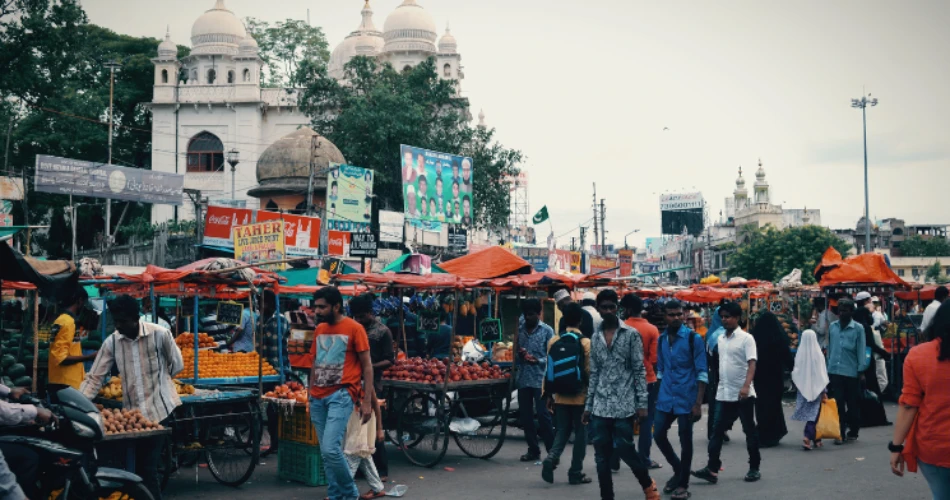
The story of pav bhaji begins in the mid-19th century when Mumbai was booming with textile mills. Workers needed quick, affordable, and filling meals during their short breaks. Enter pav bhaji—a spicy vegetable mash cooked on a flat iron griddle and served with pav (soft bread rolls influenced by Portuguese cuisine). It was convenient, hearty, and inexpensive.
Over time, this humble dish moved beyond mill workers to become a favorite among locals and travelers. Vendors refined their recipes, adding butter, spices, and garnishes to elevate the dish. What started as a meal of necessity soon transformed into one of indulgence.
Today, pav bhaji is an inseparable part of Mumbai’s street food culture, with countless stalls offering their unique take on the dish.
Pav Bhaji as a Mumbai Street Food Icon
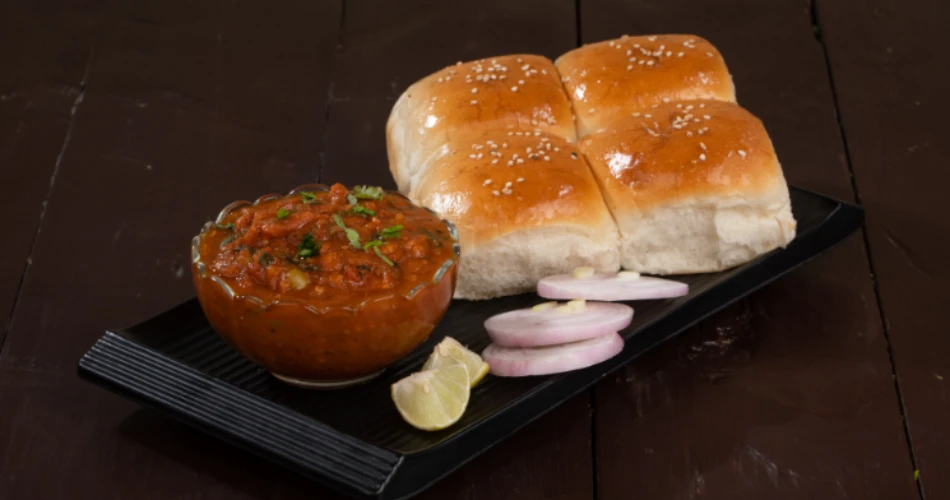
No visit to Mumbai is complete without tasting pav bhaji. Alongside vada pav, bhel puri, and pani puri, it sits proudly in the street food hall of fame. The dish is beloved for its versatility—whether eaten as an evening snack, a midnight meal, or even breakfast in some areas.
Street vendors often use oversized tawas (griddles), preparing huge portions at once, letting the flavors of butter and spices meld beautifully. Watching pav bhaji being made is an experience itself—the rhythmic chopping of vegetables, the sizzling of butter, and the vendor’s practiced hand mixing everything into a creamy delight.
What makes pav bhaji iconic is its universal appeal. From students on a budget to celebrities on a food walk, everyone loves it. Stalls like Sardar Pav Bhaji, Cannon Pav Bhaji, and Achija have become legends for serving unforgettable plates.
Legendary Pav Bhaji Stalls of Mumbai
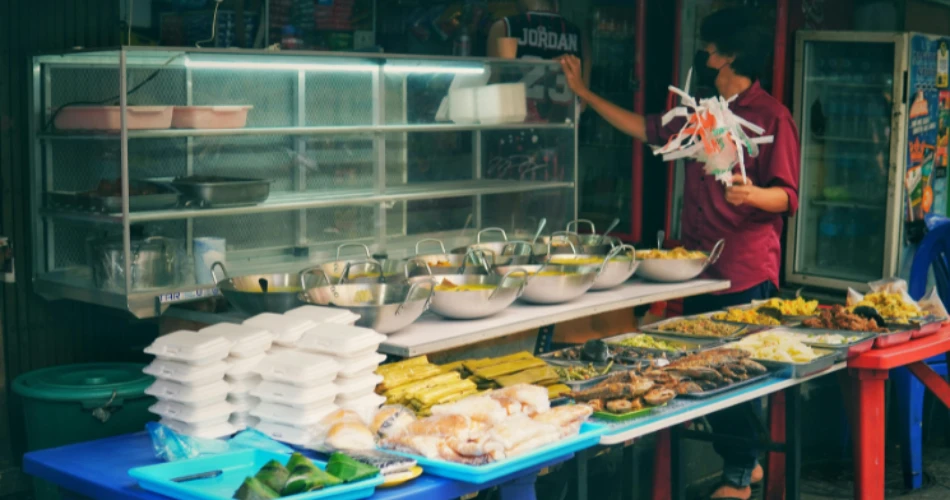
Mumbai is dotted with thousands of pav bhaji stalls, but some have earned legendary status:
-
Sardar Pav Bhaji (Tardeo): Famous for its butter-loaded pav bhaji that melts in your mouth.
-
Cannon Pav Bhaji (Opposite CST): A favorite spot for commuters and tourists alike.
-
Amar Juice Centre (Juhu): Known for its late-night service and rich flavors.
-
Shiv Sagar (Various Outlets): A family-friendly option with consistent taste.
-
Achija (Ghatkopar): A vegetarian hub where pav bhaji is the star.
Each of these stalls offers a slightly different flavor profile—some richer in butter, others spicier, but all equally irresistible. Visiting these places is like embarking on a pav bhaji pilgrimage through Mumbai.
Regional and Modern Variations of Pav Bhaji
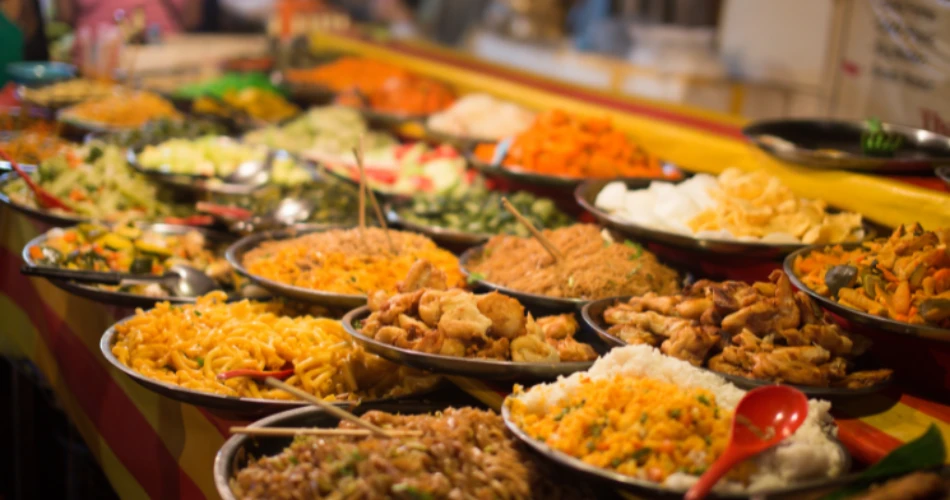
Over the years, pav bhaji has evolved into several delightful variations:
-
Cheese Pav Bhaji: Topped with grated cheese for extra indulgence.
-
Jain Pav Bhaji: Made without onions, garlic, and potatoes for those with dietary restrictions.
-
Khada Pav Bhaji: A chunkier version with visible vegetable pieces.
-
Kolhapuri Pav Bhaji: Spicier with fiery Kolhapuri masala.
-
Paneer Pav Bhaji: Enriched with cubes of paneer for added protein and flavor.
Modern restaurants have also experimented with fusion twists, offering pav bhaji pizza, pav bhaji fondue, and even pav bhaji dosas. These variations reflect Mumbai’s creativity and its willingness to adapt while preserving tradition.
The Experience: Eating Pav Bhaji in Mumbai
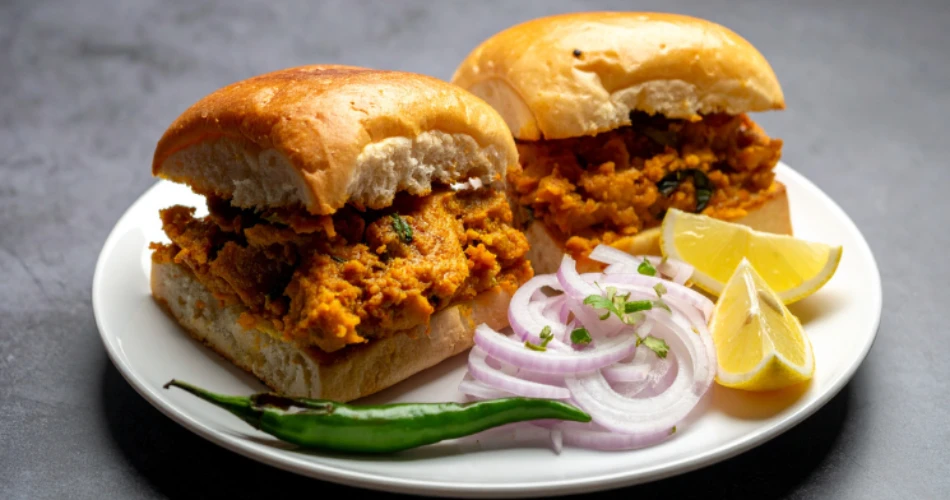
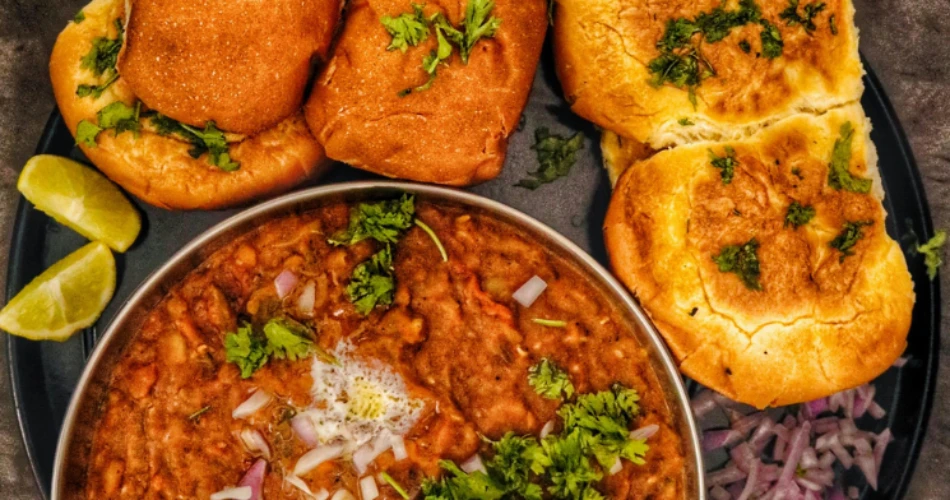
Eating pav bhaji in Mumbai is not just about taste—it’s about the entire sensory experience. The smell of sizzling butter hits you before you even reach the stall. The vendor’s ladle clinks against the hot tawa as he blends spices into the mashed vegetables. You watch pav being toasted until golden brown, ready to soak up the flavorful bhaji.
Most stalls serve it with raw onions, lemon wedges, and coriander to balance the richness. Some add extra butter on top for that melt-in-your-mouth finish. Sharing a plate with friends or family on a bustling Mumbai street, surrounded by honking cars and chatter, makes it unforgettable.
Pav Bhaji Beyond Mumbai: A National and Global Favorite
Though born in Mumbai, pav bhaji has traveled far beyond the city. Today, it is a menu staple in Indian restaurants across the country and abroad. From Delhi to Dubai, London to New York, pav bhaji continues to win hearts.
Its global popularity is tied to nostalgia for Mumbai’s flavors. Indians living abroad often crave the comforting taste of pav bhaji, making it a star dish in international food festivals and Indian eateries worldwide.
Even outside Indian communities, food lovers are drawn to its spicy, buttery flavors and the novelty of eating bread with a thick vegetable curry. Pav bhaji has successfully crossed cultural and geographical borders.
Why Pav Bhaji is More Than Just Food
At its core, pav bhaji is a symbol of Mumbai itself—diverse, flavorful, and resilient. It represents how a simple necessity meal for workers became a cultural phenomenon embraced by millions. For Mumbaikars, it is comfort food that evokes childhood memories, late-night cravings, and family outings.
The dish also reflects India’s broader culinary ethos: resourcefulness, community, and innovation. Pav bhaji is not just eaten—it is celebrated. Every stall, every plate, and every bite tells the story of Mumbai’s spirit.

Conclusion: A Flavorful Legacy That Lives On
The pav bhaji stalls of Mumbai are more than just food joints—they are living monuments to the city’s history and culture. From its modest beginnings to its legendary status, pav bhaji remains a dish that unites people across ages and backgrounds.
Whether you’re a first-time visitor or a lifelong Mumbaikar, a plate of pav bhaji is a must-have experience. It’s not just about satisfying hunger; it’s about savoring a piece of Mumbai’s soul.
So the next time you find yourself in the city, let the aroma guide you. Because in Mumbai, pav bhaji isn’t just street food—it’s a flavorful legacy.